Get your pharma range manufactured under your own brand
Compare WHO-GMP certified third party manufacturers in Baddi, Haridwar, Gujarat and other pharma hubs.

Tell us your requirement
Free. Several manufacturers will quote.
- Daily buy leads from verified buyers
- Company catalogue & product pages
- Verified badge & top ranking


Tablets Manufacturers
Get quotes →
Capsules Manufacturers
Get quotes →
Injections Manufacturers
Get quotes →
Dry Syrups Manufacturers
Get quotes →
Protein Powder Manufacturers
Get quotes →
Probiotic Sachets Manufacturers
Get quotes →
Pain Ointments Manufacturers
Get quotes →
Nasal Drops Manufacturers
Get quotes →
Face Wash Manufacturers
Get quotes → +16More categories
View all 25 →


Anti Cancer Medicine Manufacturers
Get quotes →
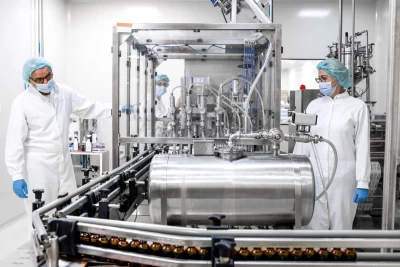
Antibiotic Medicine Manufacturers
Get quotes →
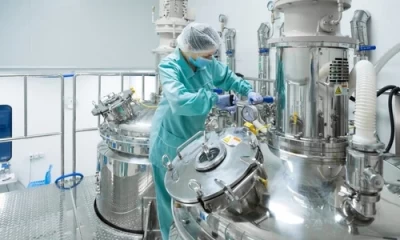
Anticold Medicine Manufacturers
Get quotes →
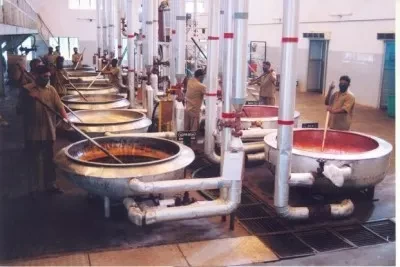
Ayurvedic Products Manufacturers
Get quotes →

Critical Care Products Manufacturers
Get quotes →
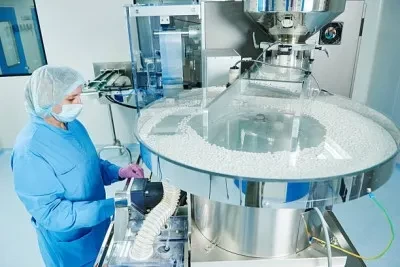
General Medicine Manufacturers
Get quotes →
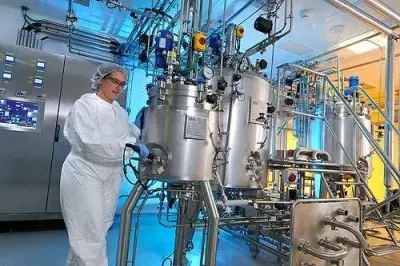
Enzyme Medicine Manufacturers
Get quotes →

Gastro Medicine Manufacturers
Get quotes →
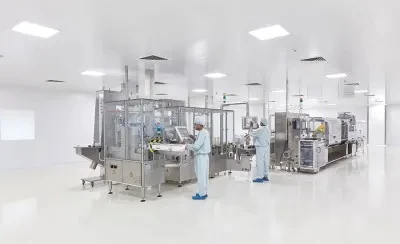
Nephrology Medicine Manufacturers
Get quotes → +12More categories
View all 21 →


Pharma Contract Manufacturing
Get quotes →
Critical Care Injection Manufacturers
Get quotes →
Amoxycillin & Potassium Clavulanate Injection Manufacturers
Get quotes →
Artemether Injection Manufacturers
Get quotes →
Artesunate Injection Manufacturers
Get quotes →
Cefepime & Sulbactam Injection Manufacturers
Get quotes →
Ceftriaxone Injection Manufacturers
Get quotes →
Cefepime & Tazobactam Injection Manufacturers
Get quotes →
Cefepime Injection Manufacturers
Get quotes → +110More categories
View all 119 →

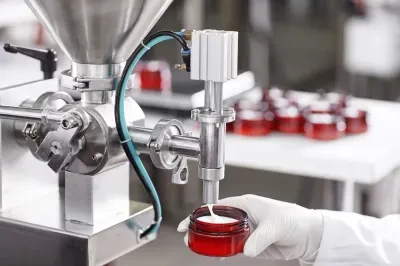
Derma Cream in Drugs
Get quotes →
Derma Lotion in Drugs
Get quotes →
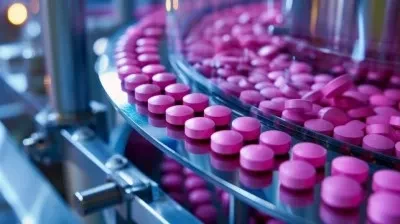
Derma Tablets in Drugs
Get quotes →
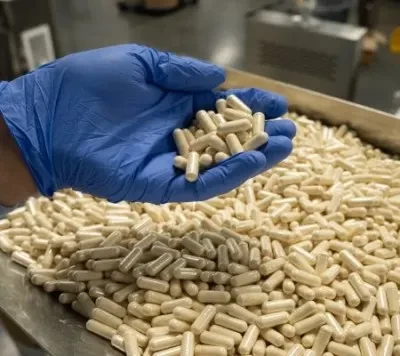
Derma Capsule in Drugs
Get quotes →
Derma Dusting Powder in Drugs
Get quotes →
Derma Soaps in Drugs
Get quotes →
Derma Shampoo in Drugs
Get quotes →
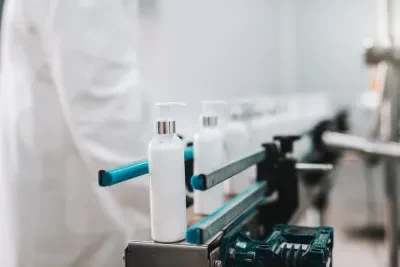
Derma Lotion in Cosmetic
Get quotes →
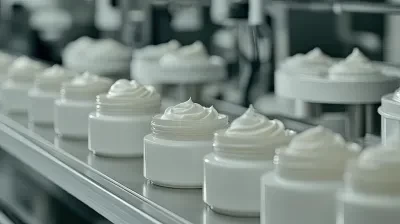
Derma Cream in Cosmetic
Get quotes → +2More categories
View all 11 →Verified Manufacturers
Licensed plants with GST details on file and products listed.


Servocare Lifesciences






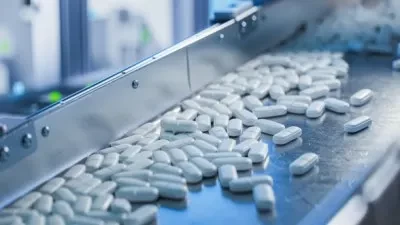
Gynae Tablets
Get quotes →
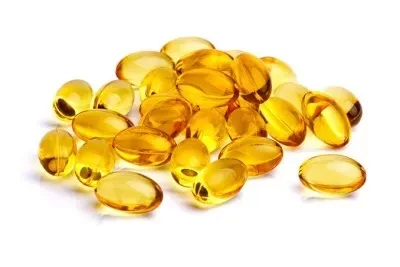
Gynae Soft Gel Capsules
Get quotes →

Gynae Injection
Get quotes →
Gynae Gel
Get quotes →
Gynae Sachet
Get quotes →
Gynae Capsules
Get quotes →
Gynae Cream
Get quotes →
Clomifene Citrate, N-Acetylcysteine Tablets and Astaxanthin Capsules Combi Pack
Get quotes →
Clomiphene & Citrate Tablets
Get quotes → +68More categories
View all 77 →
Ayurvedic Dietary Supplements Manufacturers
Get quotes →
Ayurvedic Tablets Manufacturers
Get quotes →
Ayurvedic Capsules Manufacturers
Get quotes →

Ayurvedic Syrup Manufacturers
Get quotes →
Herbal Eye Drops Manufacturers
Get quotes →
Ayurvedic Soaps Manufacturers
Get quotes →
Ayurvedic Oil Manufacturers
Get quotes →
Ayurvedic Uterine Tonic Manufacturers
Get quotes →
Ayurvedic Granules Manufacturers
Get quotes → +2More categories
View all 11 →Featured Companies
 Bluepipes Healthcare
 Thea Janus
 ZANCURE PHARMACEUTICALS
 Alna Biotech
 Associated Biotech
 Alna Vedic
 Cent Cure PVT .LTD.
 Systole Remedies
 BSA Dibcard
Third Party Manufacturers by State
How Third Party Manufacturing Works
Share your requirement
Tell us the products, dosage forms, quantity and brand name. One short form.
Compare quotes
Manufacturers reply with their rates, MOQ, delivery time and certificates.
Samples & audit
Ask for samples, visit the plant if you can, and approve your artwork.
Production & dispatch
Your batch is made, tested and sent with its certificate of analysis.
Get your products manufactured
Post what you need once, then compare manufacturers on price, MOQ and certificates.- Free to post requirements
- Verified manufacturers only
- Quotes within 24 hours
- Your brand, your artwork

Grow your third party business
Show your plant and products to brand owners who are looking for a manufacturer.- Daily buy leads
- Company catalogue page
- Verified badge
- Top ranking in categories

Latest from the Blog
Practical guides on costs, MOQ, licences and choosing a manufacturer.
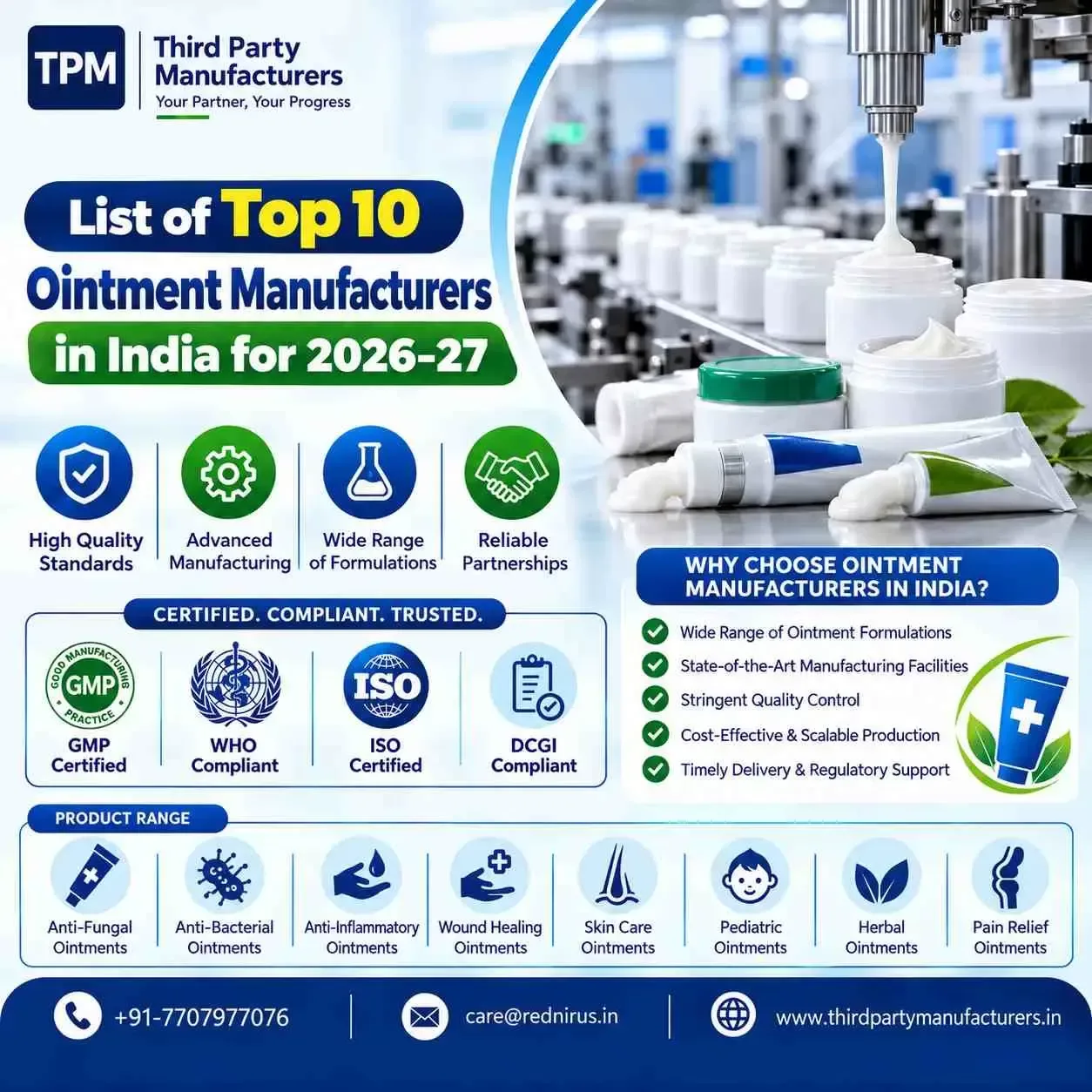

List of Top 10 Ointment Manufacturers in India
Explore top ointment manufacturers in India offering quality formulations, advanced production facilities and third party manufacturing services.
TPMThird Party Manufacturers19 Oct 2026 · 8 min read Read article
 Manufacturing Guide
Top Pharma Third Party Manufacturers in Punjab for 2026-2705 Oct 2026 · 7 min read
Manufacturing Guide
Top Pharma Third Party Manufacturers in Punjab for 2026-2705 Oct 2026 · 7 min read

 Top Manufacturers
List of Top Suspension Manufacturers in India26 Sep 2026 · 8 min read
Top Manufacturers
List of Top Suspension Manufacturers in India26 Sep 2026 · 8 min read
 Manufacturing Guide
Top 10 Third Party Pharma Manufacturers in Baddi24 Sep 2026 · 9 min read
Manufacturing Guide
Top 10 Third Party Pharma Manufacturers in Baddi24 Sep 2026 · 9 min read
 Manufacturing Guide
Best 3rd Party Pharma Manufacturing Companies in India19 Sep 2026 · 8 min read
Manufacturing Guide
Best 3rd Party Pharma Manufacturing Companies in India19 Sep 2026 · 8 min read
Frequently Asked Questions
Short answers to what buyers and manufacturers ask us most.
What is pharma third party manufacturing?
It is when a pharma company gets its products made by a licensed manufacturer and sells them under its own brand name. The manufacturer makes, tests and packs the medicine. You look after the brand, the marketing and the distributors, and you never have to build a plant.
How do I find the right third party manufacturer here?
Open a Products Wise or Speciality Wise category and compare the manufacturers listed there. Or click "Post Requirement", tell us the products, dosage forms and quantity, and the manufacturers that make them will contact you. Most buyers hear back within a day.
Is posting a requirement free?
Yes, it is free for buyers. We pass your details only to manufacturers that make the products you asked about.
What documents do I need to start third party manufacturing?
Usually a wholesale drug licence, GST registration and a brand name that is registered or applied for as a trademark. The manufacturer gets the product permission under its own manufacturing licence. The list can change by state and by product, so confirm it with your manufacturer before you start.
What is the minimum order quantity (MOQ)?
It depends on the product and the plant. Tablets and capsules are made in batches, and syrups, injections and ointments each have their own batch sizes. Many manufacturers here will take a small first order from a new brand, so ask for their MOQ when you request a quote.
Which certifications should a manufacturer have?
At the least, a WHO-GMP certified unit that has upgraded to revised Schedule M, with its own testing lab. ISO certification is a plus. Most manufacturers here show their certificates on their company page, and you should still ask for copies.
Which dosage forms and ranges can I get manufactured?
Tablets, capsules, softgels, syrups and dry syrups, injections, eye and ear drops, ointments, creams, sachets and powders. These come in allopathic, critical care, derma, gynae, ayurvedic and nutraceutical ranges.
Where are the major pharma manufacturing hubs in India?
Baddi in Himachal Pradesh is the biggest. Others are Haridwar and Dehradun in Uttarakhand, Ahmedabad and Vadodara in Gujarat, Sikkim, and the Chandigarh, Panchkula and Zirakpur area. Manufacturers from all of these are listed here.
I am a manufacturer. How do I get listed?
Click "Join as Manufacturer", set up your company profile and add your products and certificates. After we verify the details, your company shows up in the matching categories and buyer requirements start coming to you.
About Third Party Manufacturers Read more
Third Party Manufacturers in Pharma, Allopathic Medicine, Ayurvedic Products, Nutraceuticals, and Cosmetics
Most pharma brands in India do not own a plant. They sell medicines made for them by a third party manufacturer, under their own brand name, and spend their money on marketing instead. If you are starting a brand or adding products to one, the hard part is finding a manufacturer who makes the product you need, holds the right licences and will take an order of your size.
Thirdpartymanufacturers.in is a B2B directory built for that search. Each listing is a manufacturer or contract maker, with the dosage forms it makes, the therapy ranges it covers, its location and how to reach it. You can browse by product or by city, compare a few companies, and send one enquiry that goes to several of them.
Many of the companies listed here work from WHO-GMP and GLP certified units and sell DCGI approved formulations. Ask each one for its certificates and the product permission for the molecule you want before you sign anything. A good manufacturer will send them without being chased.
Benefits of Third Party Pharma Manufacturing
Setting up even a small tablet unit means land, machinery, a licensed technical staff, a QC lab and months of inspections. Third party manufacturing lets you skip all of that. You pay per batch and start selling in weeks. The main advantages of working with third party pharma manufacturing companies in India are:
- Cost effectiveness
- Quality assurance
- Scalability
- Expertise
- Focus on core business
Watch: third party pharma manufacturing explained (video)
Why Choose Us for Third Party Manufacturers?
We list manufacturers for the general range and for speciality segments such as dermatology, critical care, gynaecology, cardiac and diabetic, gastroenterology, neurology, paediatrics, nephrology, urology and orthopaedics. Some of them also take contract manufacturing work, where they make a product to your own formula. Whichever you need, you deal with the manufacturer directly. We do not sit in the middle of the deal or add a margin.
Why Third Party Manufacturing for Your Pharma Business?
1. Cost Efficiency and Investment Savings
A licensed manufacturing unit costs crores before it makes a single strip. With a third party maker, that money stays with you. Most new brands put it into field staff, samples and distributor margins, which is where sales actually come from.
2. Expertise and Technology Access
Manufacturers tend to specialise. One plant may be strong in soft gelatin capsules, another in dry syrups, another in sterile injectables. When you pick a maker who already runs your dosage form every week, you get their process knowledge, their validated machines and their stability data along with the product.
3. Scalability and Flexibility
Demand for a new product is hard to predict. A third party maker lets you order a small first batch, see how it sells, and repeat in bigger lots. If a product does not move, you stop ordering it. You are not left paying for a production line that sits idle.
4. Focus on Core Business Operations
Running a plant is a full-time job of its own. Hand production to a contract manufacturing partner and you can spend your time on doctors, distributors and your brand.
Advantages of Working with a Third Party Manufacturing Pharma Company
1. Speed to Market
An established manufacturer already has the licence, the equipment and a tested formula for most common molecules. For a product they make regularly, getting your brand on the strip mostly means approving the artwork and waiting for the batch. That can take weeks, against the years it takes to build and license a plant of your own.
2. Quality Control and Compliance
Every batch should leave the plant with a certificate of analysis from the manufacturer's own QC lab. Revised Schedule M now sets stricter GMP rules for Indian plants, so ask whether the unit has been upgraded to meet it, and ask to see the last inspection report.
3. Diversifying the Product Range
You can add a syrup, an ointment or an injection to a tablet-only range by working with a second manufacturer who makes that form. Many brands use three or four makers, each for what it does best.
How to Select the Right Third Party Medicine Manufacturer?
Before you place a first order, check these points with every company on your shortlist:
- Experience and expertise: ask which brands they already make your product for, and for a sample.
- Regulatory compliance: WHO-GMP certificate, manufacturing licence (Form 25 or 28) and product permission for each molecule.
- Production capacity: ask about their minimum order quantity and how long a repeat batch takes.
- Reputation and reliability: talk to one or two of their current clients about quality and delivery dates.
- Cost: compare the rate per strip or bottle, but read what it includes: packing material, artwork, testing and freight.
Understanding Third Party Manufacturing in the Pharma Industry
Third party manufacturing, also called contract manufacturing, is how a large share of the Indian pharma market gets made. One company owns the brand and the sales network. Another company, with a licensed plant, makes and packs the product for it. The brand owner saves on capital and the manufacturer keeps its lines running.
Third party manufacturing is widespread across sectors such as allopathic medicine, ayurvedic products, nutraceuticals and cosmetics. These industries rely on third party manufacturers for tablets, capsules, injectables, ointments, creams, syrups, suspensions, sachets, powders and soaps, across therapeutic segments like general medicine, cardiac and diabetic, gynae, critical care, pediatric, ortho, gastro, ophthalmic, respiratory and dermatological (derma) ranges.
What is Third Party Manufacturing?
The Basics of Third Party Manufacturing in the Pharmaceutical Industry
In a third party deal, the marketing company chooses the product, the composition and the brand name, and supplies or approves the packaging design. The manufacturer makes the batch in its licensed plant, tests it and packs it. The label carries both names: "Marketed by" for the brand owner and "Manufactured by" for the plant.
Because the manufacturer holds the licence, it is answerable to the drug controller for how the product is made. That is why the choice of manufacturer matters so much. A cheap rate from a plant that fails an inspection can leave your brand without stock for months.
Types of Products Manufactured by Third Party Manufacturing Companies
The dosage forms you can get made through third party manufacturing include:
- Tablets
- Capsules
- Injectables
- Ointments and Creams
- Syrups and Suspensions
- Sachets and Powders
- Soaps
Manufacturers usually group their products into therapy ranges like these:
- General Medicine Range
- Cardiac & Diabetic Range
- Gynae Range
- Critical Care Medicines
- Pediatric Range
- Ortho Range
- Gastro Range
- Ophthalmic Range
- Respiratory Range
- Derma or Skin Care Range
Things to Consider While Selecting a Third Party Manufacturer
- 1. Certifications and Compliance: look for WHO-GMP at the least. ISO helps, and US FDA or other export approvals matter only if you plan to export. Ask for copies, not just logos on a brochure.
- 2. Expertise and Experience: a plant that makes tablets well may never have run an injection line. Choose a maker with a record in your exact dosage form.
- 3. Flexibility: check whether they will take small first orders and how they handle a sudden repeat order in peak season.
- 4. Cost-Effectiveness: the lowest rate per unit is not always the cheapest once you add rejected batches, late deliveries and repacking.
The Role of Third Party Manufacturing in Different Therapeutic Areas
General Medicine Range
The general medicine range is the everyday prescription: antibiotics, analgesics, anti-inflammatory medicines, antihistamines and anti-allergy tablets. It is where most new brands start, because doctors already prescribe these molecules in large volumes.
Common Products in the General Medicine Range
- Tablets and Capsules: the bulk of the range, for oral treatment of common conditions.
- Ointments and Creams: for pain, itching and local inflammation.
- Syrups and Suspensions: for children and for patients who find tablets hard to swallow.
The Importance of Third Party Manufacturing in General Medicine
Margins in general medicine are thin and competition is heavy. Brands win on price and availability, and a third party maker with high-volume lines can give you a rate you could not match in a small plant of your own.
Cardiac and Diabetic Range
Prescriptions for heart disease, hypertension and diabetes grow every year, and patients take them for life. That makes the cardiac and diabetic ranges steady sellers for a brand that can keep stock on the shelf.
Common Products in the Cardiac & Diabetic Range
- Cardiac Tablets: beta-blockers, statins and ACE inhibitors.
- Diabetic Tablets and Capsules: metformin, sulfonylureas and their combinations.
- Syrups and Suspensions: for children with diabetes or heart conditions.
- Injectables: insulin and cardiac injections for hospital use.
Benefits of Third Party Manufacturing for Cardiac and Diabetic Products
Many cardiac and diabetic products are sustained-release tablets or fixed-dose combinations, which are harder to make well than a plain tablet. A manufacturer who already runs these formulas has the dissolution data to show they work as labelled.
Gynae Range
The gynae range covers contraceptives, fertility medication, hormonal treatments and menopause-related products, mostly as tablets, capsules and injections.
Common Products in the Gynae Range
- Oral Contraceptives: tablets and capsules for birth control.
- Fertility Tablets and Injections: for ovulation support and reproductive health.
- Menopause Tablets: hormonal therapy for menopause symptoms.
The Role of Third Party Manufacturing in the Gynae Range
Hormonal products are potent at very low doses, so the plant needs separate handling and cleaning controls to stop cross-contamination. Ask how the manufacturer keeps hormone lines apart from the rest of its production.
Critical Care Medicines
Critical care medicines are used in ICUs and emergency rooms: emergency anaesthetics, pain relief injectables and high-end antibiotics. Most are sterile products, made under the strictest conditions in the industry.
Common Products in the Critical Care Range
- Injectables: for pain management, anaesthesia and emergency care.
- Antibiotics: broad-spectrum antibiotics used in critical care units.
- IV Fluids: for hydration and intravenous medication.
The Importance of Third Party Manufacturing for Critical Care Medicines
A sterile injection line with clean rooms and validated sterilisation is one of the most expensive things in pharma to build. For a critical care brand, a third party maker who already has one is usually the only practical way in.
Pediatric Range
The pediatric range is built around dosage forms children will actually take: flavoured syrups, suspensions, drops and chewable tablets.
Common Products in the Pediatric Range
- Antipyretic Syrups: for fever.
- Antibiotic Suspensions: for infections in children.
- Vitamins and Supplements: for growth and immunity.
Third Party Manufacturing for Pediatric Medicines
Children's doses are small and taste decides whether a mother buys the same brand again. Look for a maker with good flavour masking, accurate dose-measuring caps or droppers, and child-resistant packaging where the product needs it.
Ortho Range
The ortho range treats arthritis, osteoporosis and joint pain with anti-inflammatory tablets, calcium and vitamin D supplements, pain relief creams and injectables.
Common Products in the Ortho Range
- Pain Relief Tablets: mainly NSAIDs and their combinations.
- Joint Injections: such as steroid injections for inflammation.
- Creams and Ointments: for local pain relief.
Benefits of Third Party Manufacturing for Ortho Products
Ortho brands usually need tablets, gels and injections together. You can get all three by working with one manufacturer that runs several lines, or split them between two specialists.
Gastro Range
The gastro range covers digestive health: antacids, proton pump inhibitors (PPIs), antidiarrheal medicines, laxatives and enzyme products.
Common Products in the Gastro Range
- Antacids: for heartburn and acid reflux.
- Digestive Enzyme Tablets: to help digestion.
- Laxatives and Anti-Diarrheal Syrups: for other stomach and bowel complaints.
The Role of Third Party Manufacturing in Gastro Medicines
PPIs such as pantoprazole and rabeprazole need an enteric coating so they survive stomach acid. Ask your manufacturer how they test that coating, because a poor one makes the medicine useless.
Ophthalmic Range or Eye Care Products
The ophthalmic range includes eye drops, eye ointments and antibiotic creams for the eye.
Common Products in the Ophthalmic Range
- Eye Drops: for dry eyes, conjunctivitis and glaucoma.
- Ophthalmic Ointments: for infections and other eye conditions.
Benefits of Third Party Manufacturing for Ophthalmic Products
Anything that goes into the eye has to be sterile, so eye drops need the same clean-room conditions as injections. Only a small number of plants are licensed for them. Searching by category here is the fastest way to find them.
Respiratory Range
The respiratory range treats asthma, COPD and bronchitis, using inhalers, nebulizer solutions, cough syrups and oral medicines.
Common Products in the Respiratory Range
- Inhalers: for asthma and COPD.
- Nebulizer Solutions: for respiratory treatment.
- Bronchodilator Syrups: for easier breathing.
The Importance of Third Party Manufacturing for Respiratory Medicines
Inhalers need special filling machines and dose-uniformity testing, and few plants have them. Cough syrups and tablets are easier to source. Many brands buy the two from different makers.
Dermatology or Skincare Range
The dermatological range treats acne, eczema, fungal infections and psoriasis, and includes cosmetic products for dry and ageing skin: topical creams, lotions, soaps and other skin care products.
Common Products in the Derma Range
- Anti-Acne Creams: for pimples and acne.
- Moisturising Creams: for dry skin.
- Anti-Ageing Products: for skin rejuvenation.
The Role of Third Party Manufacturing for Derma Products
Derma is one of the busiest third party segments, because a brand can launch with a few creams and soaps and grow from there. Check whether the product is licensed as a drug or as a cosmetic. The licence, labelling rules and the claims you may print are different for each.
Conclusion: The Future of Third Party Manufacturing in Pharma, Ayurveda, Nutraceuticals and Cosmetics
Third party manufacturing will keep growing as more brands enter the market and existing ones add new therapy ranges. Stricter GMP rules are also pushing small plants to upgrade or exit, so the manufacturers that remain will be better equipped than before.
For a brand owner, the work stays the same. Shortlist two or three manufacturers for each product, check their licences and samples, start with a small order, and build from there. The listings on this site are the place to start.